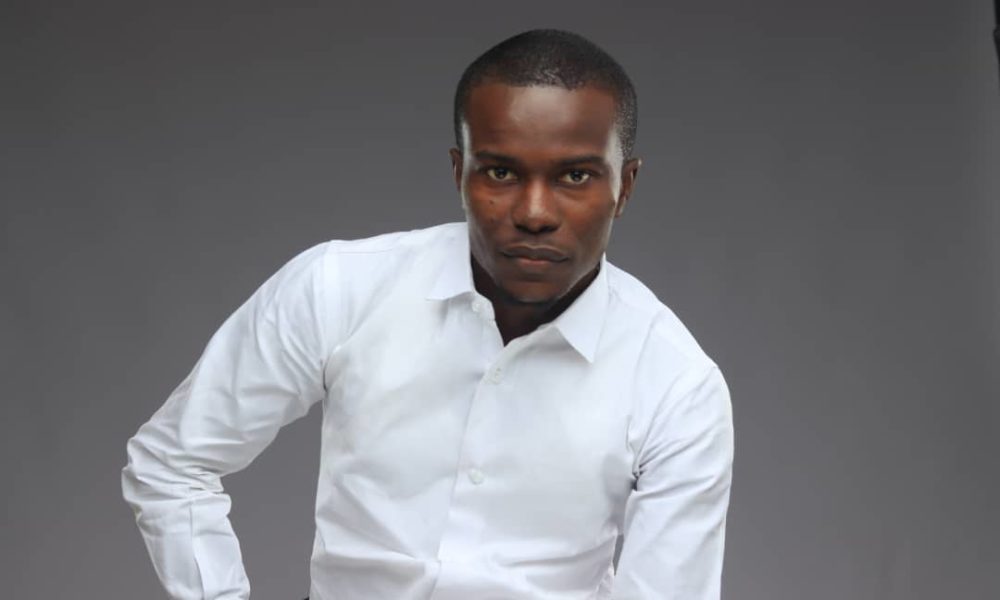
Mfonobong Inyang Calls for Greater Appreciation of Ghostwriters
Nigerian author Mfonobong Inyang has taken the spotlight to shine a light on the often overlooked art of ghostwriting, urging readers, artists, and industry insiders to appreciate the collaborative genius that fuels many of today’s bestselling books and chart‑topping songs.
What Happened
During a candid interview on BellaNaija in late September, Inyang broke down the myth that ghostwriters are merely “ghosts” who quietly scribble behind the scenes. Instead, she described them as “creative architects” who shape narratives, melodies, and messages with the same level of craft and dedication as the public face of any project.
Key Details
Inyang’s remarks came at a time when the publishing and music industries are increasingly transparent about the roles that go into a finished product. She pointed out that a typical hit song, for instance, can involve A&R teams, producers, session musicians, background vocalists, mixers, and, often, a ghostwriter who fine‑tunes the lyrics to resonate with the artist’s voice and brand. Likewise, bestselling memoirs and novels frequently credit a ghostwriter for turning raw ideas into polished prose.
She emphasized that ghostwriting is not limited to the realm of celebrities or high‑net‑worth individuals. “Anyone with a compelling story and the resources to bring it to life can benefit from a ghostwriter,” Inyang said. “The true value lies in the collaboration, not the status of the client.”
Reactions
The interview sparked a wave of discussion across social media platforms. Twitter users highlighted the importance of crediting ghostwriters in book jackets and album liner notes, while LinkedIn professionals shared insights on how ghostwriters can help executives, politicians, and entrepreneurs communicate their vision more effectively.
Some critics, however, argued that the industry still lacks standardized guidelines for crediting ghostwriters. Inyang acknowledged this gap and called for clearer industry practices that recognize the intellectual property and labor of these writers.
What It Means
Inyang’s advocacy underscores a broader shift toward acknowledging the collective nature of creative production. By debunking the myth that only “famous” individuals hire ghostwriters, she encourages a more inclusive view of authorship that values skill over celebrity. This perspective aligns with recent movements in publishing that emphasize equitable royalty splits and transparent contribution lists.
Moreover, her remarks highlight the strategic advantage of outsourcing creative tasks. “Time is a limited resource,” Inyang noted. “For executives and artists, hiring a ghostwriter is a way to maximize ROI and protect brand integrity.”
What Happens Next
Following the interview, several publishing houses announced plans to adopt formal crediting systems for ghostwriters. A group of industry stakeholders is also forming a task force to develop best practices for royalty distribution and public acknowledgment. Meanwhile, ghostwriting agencies are expanding their services to include digital content, podcast scripting, and corporate storytelling.
For readers, the takeaway is clear: the next time you pick up a bestselling novel or listen to a hit single, consider the unseen hands that helped shape the narrative. And for aspiring writers, Inyang’s message is a call to hone the craft of collaboration, recognizing that the best stories are often the result of multiple voices working in harmony.
Comments
Post a Comment