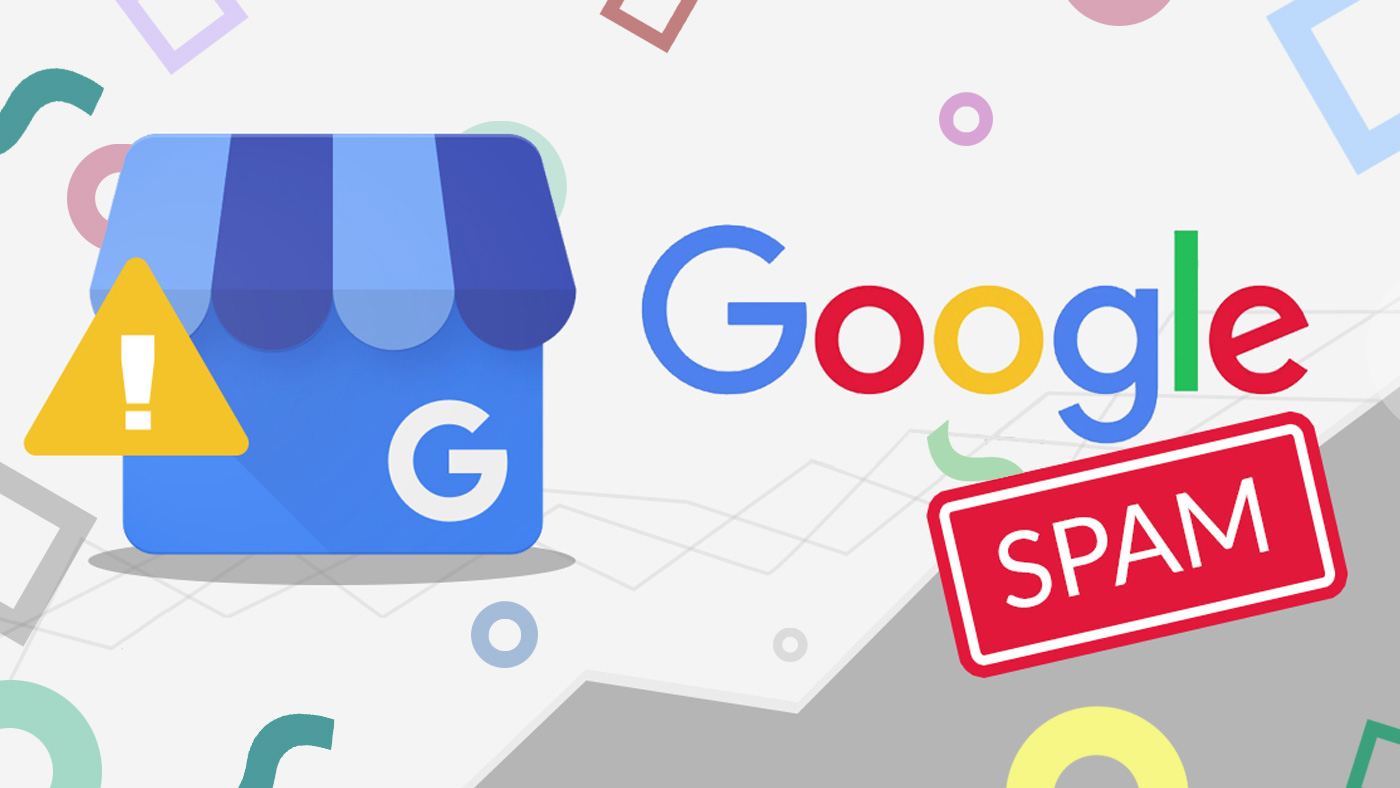
Google Spam Policy Update: What Sports Clubs and Athletes Need to Know
Google’s latest spam policy update has sent ripples through the sports world, as clubs and athletes scramble to keep their digital presence clean and compliant.
What Happened
Last month, Google rolled out an updated version of its Link Spam Policy, tightening rules around paid link placements, reciprocal link schemes, and automated link generation. The move aimed to curb manipulative tactics that can inflate rankings but harm user experience. For sports organisations that rely on search visibility to attract fans, sponsors, and media attention, the update is a wake‑up call.
Key Details
Under the new guidelines, any link that is primarily intended to pass ranking credit must be marked with the rel="sponsored" or rel="nofollow" attribute, unless it meets strict editorial standards.
Google explicitly distinguishes legitimate commercial partnerships from deceptive link farms.
Clubs that hire agencies for backlink building need to provide transparent documentation: who placed the link, why it was placed, and how the content adds value to the audience.
The policy also flags private link networks and automated link builders, which often appear in bulk on low‑authority domains.
A sudden spike in inbound links from unrelated sites can trigger a manual review and result in penalties that drop a site’s ranking or even remove it from search results.
Reactions
Many clubs have responded with mixed feelings. Some praise Google for protecting fan trust, while others fear losing the quick visibility that paid links once offered.
“We’ve always believed in quality content, but the new policy makes us re‑examine every partnership,” said Alex McKenzie, Digital Manager at Riverdale United. “Our focus is now on creating genuine stories that earn links naturally.”
Sports agencies, too, are adapting. “We’re tightening our vetting process,” explained Maria Silva of LinkWave Media. “We’ll only pursue links that come from reputable sports blogs or news outlets and will label them appropriately. The goal is sustainable growth, not a quick spike.”
What It Means
For clubs, the policy underscores the importance of editorial integrity. A sponsored article should never masquerade as independent reporting; it must be clearly labeled and offer real value.
Likewise, community features, player interviews, and match analysis that earn links from local media or fan sites are far safer than a bulk purchase from a link farm.
From a sponsor perspective, transparency builds credibility. Sponsors want to know that their association will not be tainted by shady SEO practices.
A clean backlink profile signals professionalism and can influence sponsorship negotiations.
What Happens Next
In the long term, Google’s policy shift encourages a shift toward “earned” links—those that come from genuine editorial interest.
Clubs that invest in high‑quality content, community stories, and transparent partnerships will likely see steadier search performance and stronger fan engagement.
Ultimately, the new spam policy is a reminder that in sports marketing, as in sports itself, integrity and respect for the audience win over shortcuts.
Clubs should also leverage user‑generated content, such as fan photos and match‑day reviews, which naturally attract links from social platforms and local blogs. By fostering an ecosystem where supporters contribute stories, clubs create authentic backlinks that Google rewards. This community‑centric approach not only improves rankings but also deepens fan loyalty.
Hmm
ReplyDelete