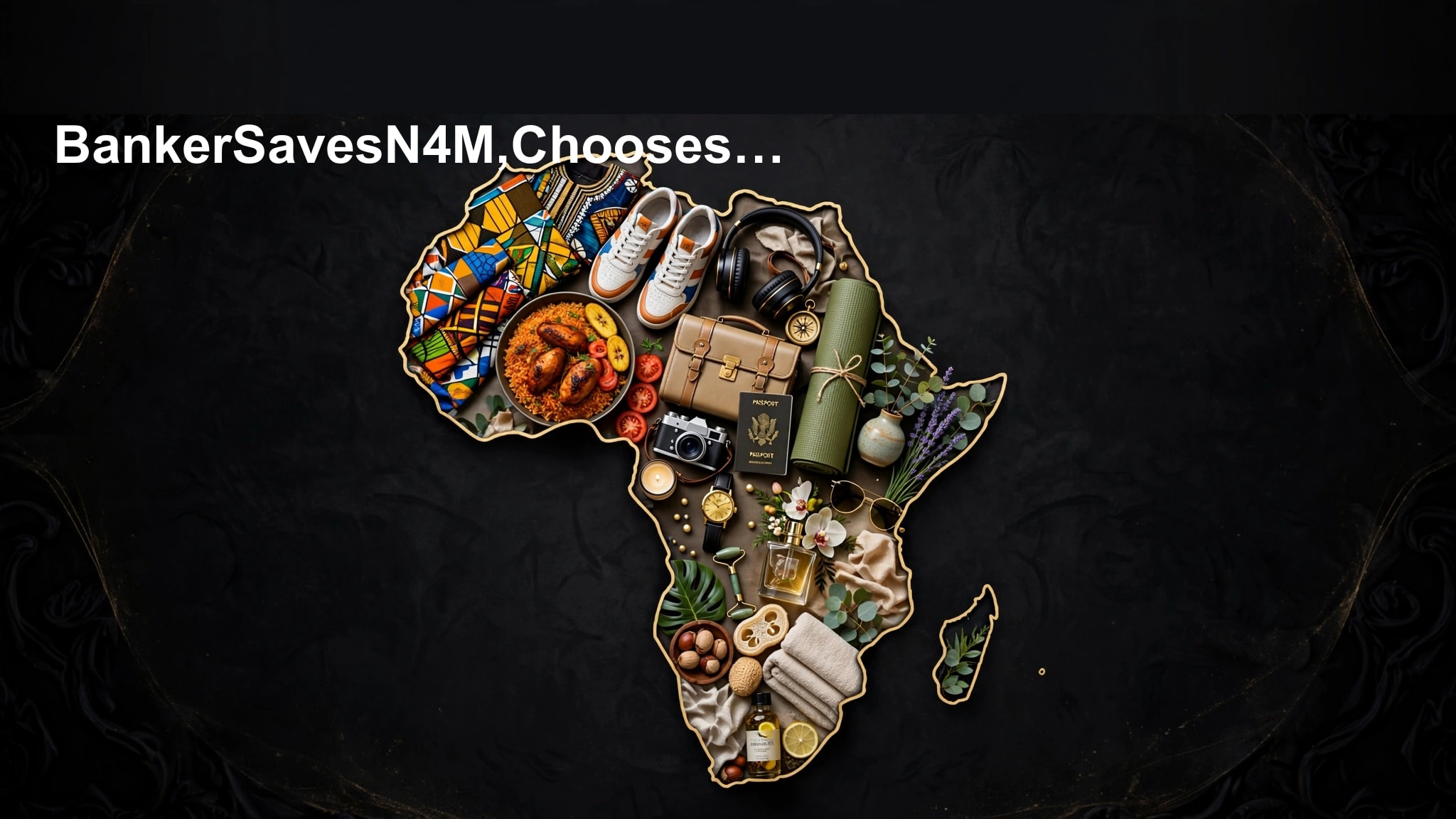
A 24‑year‑old banker in Lagos saved ₦4 million in a year, earned ₦464,000 a month, yet plans to quit for peace of mind.
Key Takeaways
- The banker saved ₦4 million in one year while earning ₦464,000 monthly.
- Branch marketing targets caused severe stress, leading her to plan an exit.
- She saves ₦200,000‑₦250,000 each month, aiming for a ₦5 million escape fund.
- A Master’s in Public Health is funded from savings to qualify for development jobs.
- Family supports her decision; she rejects debt‑based car loans.
From University Gigs to Banking Trainee
After graduating with a microbiology degree in 2021, the young professional struggled to find steady income. A side‑gig uploading WAEC and NECO past questions earned her over ₦100,000 in four months, but a scam cost her ₦15,000. She later taught primary school for a meager ₦6,500 a month before joining the National Youth Service Corps, where a ₦33,000 stipend allowed her to save ₦10,000 each month.
In June 2024, a link to a bank’s graduate trainee programme arrived from her father. She applied at the last minute, passed three assessment stages, and secured a trainee spot. From November 2024 to March 2025, trainees received ₦100,000 monthly – the highest pay she had ever seen.
Bank Trainee Salary and Pressure
Read our earlier report: Chinazaekpere's Debut Film Heads London Festival
In September 2025 she was confirmed as staff and posted to a branch marketing team with a ₦464,000 monthly salary. The role involved aggressive deposit, loan and account‑opening targets, often shifting week to week. She reports daily tears in the restroom and a manager who constantly shouted. The branch was tasked with sourcing ₦19 billion in deposits by year‑end, a pressure she describes as “insane”.
Saving Strategy and Escape Fund
Living with her parents eliminated rent, allowing her to consistently set aside ₦200,000‑₦250,000 each month. By March 2027 she aims to have ₦5 million saved; she already has about ₦4 million, of which ₦400,000 is earmarked for a Master’s in Public Health. The remaining funds constitute an “escape cushion” to sustain her for six months after resignation while she hunts for development or writing roles.
She is already freelancing as a ghostwriter, earning ₦1‑₂ per word, and has secured a ₦120,000 beta‑reading gig. International pitches have yielded $100 in the last three months. Her plan is to quit the bank by March 2027, rely on the savings, and transition into public‑health or non‑profit work with organisations such as WHO or ECOWAS.
Future Plans Beyond Banking
The master’s programme is a strategic move; most development roles she targets require a postgraduate degree. Her family supports the decision, noting the negative stereotypes attached to female bank marketers. She refuses a ₦4 million loan for a car, fearing debt‑induced anxiety. Instead, she hopes a stable, lower‑stress job will bring a higher quality of life, even if the paycheck is smaller.
The story illustrates a growing trend among Nigerian youths: high‑earning corporate jobs are no longer a guaranteed path to financial security or happiness. Aggressive saving, upskilling, and a willingness to leave lucrative but toxic environments are becoming viable strategies for long‑term wellbeing.
Frequently Asked Questions
Why is she choosing unemployment over a high salary?
She cites relentless targets, mental health strain, and a desire for a career aligned with her passion for public health and development.
How much has she saved and what is her target?
She has about ₦4 million saved and aims to reach ₦5 million by March 2027 to fund her exit and living expenses.
What steps is she taking to transition out of banking?
She is completing a Master’s in Public Health, freelancing as a ghostwriter, and applying for development roles while maintaining a strict savings regime.
Comments
Post a Comment